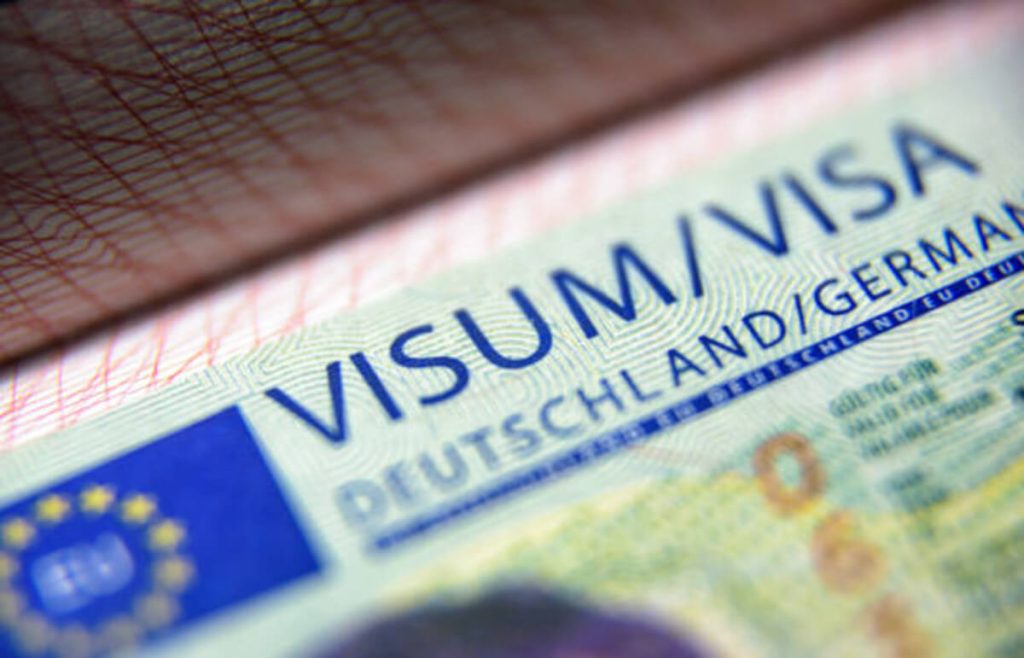

Those seeking a better life abroad have found Germany to be one of the most attractive destinations for skilled and unskilled workers. As the world’s fifth-largest economy, Germany’s infrastructure is world-class, its salaries are high, and its demand for foreign workers is growing. The process of obtaining a visa sponsorship in Germany, however, is not automatic. In order to succeed, you need a strategy, preparation, persistence, and the right information.
Step-by-step instructions on how to secure German visa sponsorship as an immigrant can be found in this comprehensive guide. In this session, we’ll discuss eligibility, job search strategies, visa options, application processes, common mistakes, and practical tips to help you succeed.
Why Germany Offers Visa Sponsorship to Immigrants
There is an increasing labor shortage in Germany across multiple industries. Therefore, in engineering, healthcare, IT, construction, manufacturing, and logistics, government and private companies heavily rely on skilled foreign workers.
Furthermore, the German immigration system is one of the most structured in Europe, so qualified professionals can work and settle legally here. The German government actively designs its policies in order to attract global talent, as opposed to many other countries that impose strict barriers.
As a result, your chances of obtaining visa sponsorship in Germany remain high if you possess in-demand skills, relevant qualifications, and professional experience.
Who Can Get Visa Sponsorship in Germany?
In order to apply for a German visa sponsorship, you must first determine whether you are eligible. The following are generally required:
- A recognized university degree or vocational qualification
- Relevant work experience in your field
- A job offer from a German employer
- Proof of financial stability (in some cases)
- Basic or intermediate knowledge of German (for many roles)
Moreover, you are eligible for a particular visa and job depending on what you want. The EU Blue Card is often applicable to highly skilled professionals, whereas skilled trades workers may be able to obtain a different type of employment visa.
Types of German Visa Sponsorship You Can Apply For
There are multiple visa pathways available to immigrants in Germany. As a result, choosing the right one will have a significant impact on your approval chances.
1. EU Blue Card (Most Popular Option)
Skilled professionals should apply for the EU Blue Card, which is the fastest and easiest route.
You qualify if:
- You hold a university degree recognized in Germany
- You secure a job offer from a German employer
- Your salary meets the minimum threshold (which changes yearly)
In addition, Blue Card holders are entitled to faster permanent residency, better mobility within the EU, and better worker protections.
2. Skilled Worker Visa
Skilled Worker Visas are still available if your qualifications don’t meet Blue Card requirements.
This option suits professionals with:
- Vocational training
- Technical certifications
- Practical work experience
In order to hire you, your employer must prove that no German or EU citizen is capable of filling the role.
3. Job Seeker Visa
You can enter Germany with a Job Seeker Visa if you do not yet have a job.
For the purpose of searching for employment, you are permitted to stay in Germany for a period of up to six months. Upon securing a job, a work visa can be issued.
It is still important to show proof of qualifications, enough funds, and arrangements for accommodations.
Step-by-Step Guide to Securing Visa Sponsorship in Germany
In order to learn more about the process we’re going to follow, let’s look at your options in greater detail.
Step 1: Identify In-Demand Jobs in Germany
The first thing you should do is research Germany’s labor market carefully. There are several sectors that are in high demand, including:
- Information Technology (Software Developers, Cybersecurity Experts)
- Engineering (Mechanical, Electrical, Civil)
- Healthcare (Nurses, Doctors, Caregivers)
- Construction and Trades
- Manufacturing and Logistics
There are also unskilled jobs available in agriculture, hospitality, and manufacturing, but these jobs usually require additional paperwork.
Step 2: Verify Your Qualifications
Your next step should be to determine whether Germany recognizes your qualifications.
If you are interested in evaluating your degree or certification, you can use the official German recognition portal.
The process of recognizing your credentials may take several months, so it is recommended that you apply early.
Step 3: Prepare a Strong CV and Cover Letter
Meanwhile, you must craft a German-style CV (Lebenslauf) that includes:
- Personal details
- Professional summary
- Work experience (in reverse chronological order)
- Education and certifications
- Skills and languages
- References (optional)
You should also tailor your cover letter to the specific employer. Be sure to emphasize your skills, experiences, and willingness to fit into the German workplace culture.
Step 4: Actively Apply for Jobs with Visa Sponsorship
At this stage, you should begin applying aggressively.
Use reputable job platforms such as:
- StepStone
- Indeed Germany
- Glassdoor
- Make it in Germany (official portal)
Furthermore, search specifically for keywords like:
- “Visa sponsorship Germany”
- “Relocation support Germany”
- “EU Blue Card eligible”
This strategy helps you target employers already open to hiring foreigners.
Step 5: Network with German Professionals
Simultaneously, networking increases your chances dramatically.
You can:
- Join LinkedIn groups related to your industry
- Attend virtual job fairs
- Connect with recruiters in Germany
- Participate in online communities for immigrants in Germany
The majority of people who obtain jobs do so not only through applications, but also through referrals and professional relationships.
Step 6: Prepare for Job Interviews
Once employers contact you, you must prepare thoroughly.
Expect questions such as:
- Why do you want to work in Germany?
- How does your experience match this role?
- Are you willing to learn German?
- How will you adapt to German workplace culture?
When conducting interviews, show professionalism, confidence, and sensitivity to cultural differences.
Step 7: Secure a Job Offer and Work Contract
The employer will issue you a contract or job offer if you impress them.
This document should clearly state:
- Your job title
- Salary
- Work hours
- Duration of employment
- Company details
Without this contract, you cannot proceed with your visa application.
Step 8: Apply for Your German Work Visa
As soon as you receive your job offer, you must apply at the German Embassy or Consulate in your home country.
Your application typically requires:
- Valid passport
- Job contract
- Recognized qualifications
- Proof of accommodation
- Health insurance
- CV and documents
- Visa application form
Processing times vary, but many applicants receive decisions within 4–12 weeks.
Step 9: Move to Germany and Register Your Residence
Once approved, you can travel to Germany.
Upon arrival, you must:
- Register your address at the local registration office (Anmeldung)
- Open a German bank account
- Obtain a tax ID
- Apply for your residence permit
At this point, you are officially working in Germany under visa sponsorship.
How to Increase Your Chances of Getting Visa Sponsorship
Although many applicants try, only those who are well prepared succeed. Following these proven strategies will help you achieve your goals:
Learn Basic German
The ability to speak German enhances your employability significantly, even though many tech jobs are conducted in English.
Even basic A2 or B1 level helps you stand out.
Target Small and Medium-Sized Companies
Rather than targeting large corporations, take the time to apply to smaller firms that have difficulty finding local talent. There is often a greater willingness on the part of these companies to sponsor visas.
Apply in High-Demand Fields
You are more likely to be approved if your skill set matches Germany’s labor shortages.
People in nursing, engineering, and information technology are less likely to face competition than those working in general office settings.
Use Professional Recruitment Agencies
Many agencies specialize in placing foreign workers in Germany.
They can:
- Match you with employers
- Help with documentation
- Guide you through the visa process
However, always verify their legitimacy before paying any fees.
Common Mistakes That Reduce Your Chances
Avoid these pitfalls at all costs:
- Applying with a weak or generic CV
- Sending mass emails without tailoring applications
- Failing to recognize your qualifications
- Ignoring German language requirements
- Applying for jobs unrelated to your background
- Submitting incomplete visa documents
Each of these mistakes can delay or ruin your chances of approval.
How Long Does the Process Take?
On average:
- Job search: 1–6 months
- Qualification recognition: 2–6 months
- Visa processing: 1–3 months
Therefore, the entire process may take anywhere from 6 to 12 months, depending on your preparation.
Can You Bring Your Family to Germany?
Yes.
Your spouse and children can later be brought under the family reunification rules once you have obtained a work visa or Blue Card.
Your spouse may even work full-time without restrictions.
Path to Permanent Residency in Germany
One major advantage of visa sponsorship in Germany is the path to permanent residency.
Generally:
- Blue Card holders can apply after 21 months (or 33 months without German language proof)
- Skilled workers can apply after 4–5 years
After several more years, you may qualify for German citizenship.
Final Thoughts: Is It Worth It?
Absolutely.
Germany offers:
- High salaries
- Strong worker rights
- Excellent healthcare
- Quality education
- Stability and career growth
However, success depends on preparation, persistence, and the right strategy.
This guide will greatly increase your chances of obtaining a visa sponsorship as an immigrant in Germany if you follow the steps in it.
FAQs
Can I get visa sponsorship in Germany without a degree?
Yes, especially in skilled trades, nursing, and technical fields.
Do I need to know German?
Not always, but it greatly improves your chances.
How much money do I need to apply?
Costs vary but typically range from €100–€500 for visa and related expenses.
Can I change jobs after getting a work visa?
Yes, but you must notify immigration authorities.