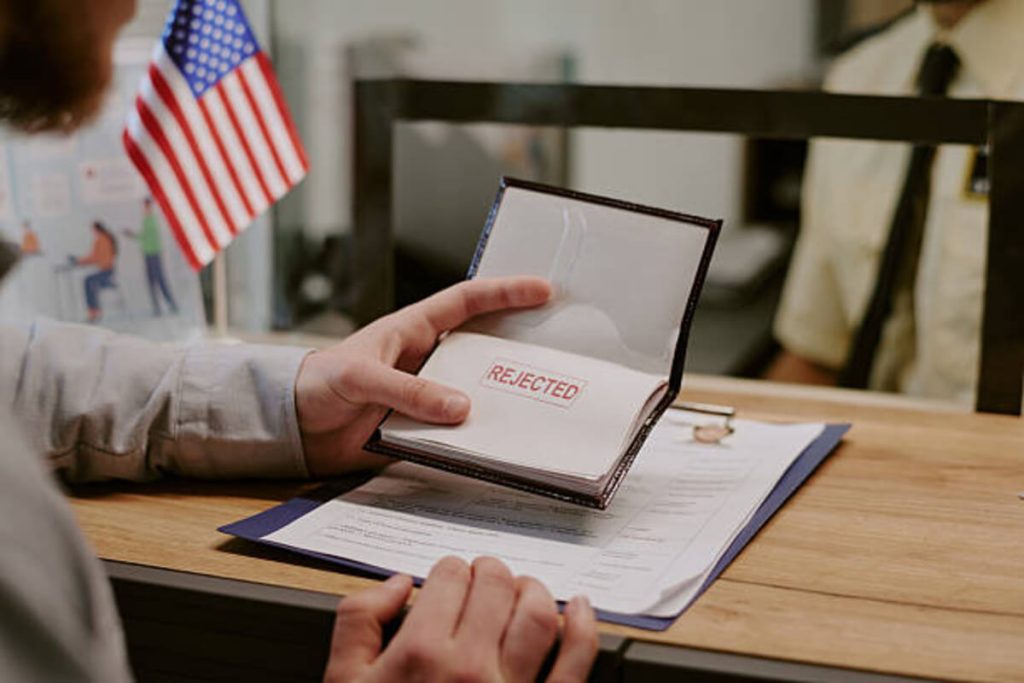

The United States, Canada, the United Kingdom, Germany, the Netherlands, Australia, New Zealand, and other developed nations receive thousands of work visa applications every year from skilled workers. There are a significant number of these applications that are rejected. It is common for applicants to feel confused, frustrated, or helpless when they believe they have submitted everything correctly. There are few instances in which immigration authorities refuse applications without stating a clear reason.
The truth is that work visa approvals are based on strict legal, financial, professional, and security requirements. Rejection can be triggered even by a small mistake. By understanding the most common reasons for refusal, you can avoid costly errors and increase your chances of success.
You will learn how immigration officers assess work visa applications, how to avoid these mistakes, and the most common reasons work visa applications get rejected, in this comprehensive guide.
We’ve put together the definitive guide to applying for Canada Work Permits, UK Skilled Worker Visas, European Union Blue Cards, Australian Employer-Sponsored Visas, and New Zealand Work Visas.
Why Work Visa Applications Get Rejected
It is important to understand one fundamental truth before going into specific reasons:
The government prioritizes legitimacy, security, economic benefits, and compliance with the law when it comes to immigration.
The likelihood of rejection increases if your application raises doubts in any of these areas. To ensure your application is clear, honest, well-documented, and consistent, you should always strive for clarity, honesty, and consistency.
Here are some of the most common reasons for work visa applications failing.
1. Incomplete or Missing Documents
It is not uncommon for applications to be rejected because of insufficient documentation.
Documents submitted to immigration officers are the only things they rely on. Rather than asking for clarification, they may refuse your application if something is missing, unclear, or inconsistent.
Common missing documents include:
- Employment contract or job offer letter
- Passport with insufficient validity
- Proof of qualifications (degree, diploma, certificates)
- Work experience letters
- Police clearance certificate
- Medical exam results
- Proof of funds (where required)
- English language test results
How to avoid this mistake:
- Use an official document checklist from the immigration website of your target country
- Double-check every requirement before submission
- Keep digital and physical copies of all documents
Moreover, label your documents clearly and upload them in the correct format.
2. Fake or Weak Job Offer
It is common for applicants to receive rejections because of unrealistic, unclear, or fake job offers.
Immigration officers carefully review:
- Employer legitimacy
- Business registration details
- Job role description
- Salary and working conditions
If your job offer seems suspicious, overly vague, or inconsistent with your qualifications, refusal becomes likely.
Red flags include:
- Employer cannot be verified online
- Job offer lacks official letterhead
- Salary is too high or too low compared to industry standards
- No clear job duties listed
How to avoid this mistake:
- Work only with legitimate, registered employers
- Ensure your job offer includes your job title, salary, work location, and responsibilities
- Verify your employer through official government databases where available
3. Employer Not Authorized to Sponsor Foreign Workers
The ability to sponsor foreign workers is limited in many countries to employers who have been approved.
For example:
- In the UK, employers must hold a valid Sponsor Licence
- In the Netherlands, employers must be recognized IND sponsors
- In Australia, employers must be approved Standard Business Sponsors
An application for a visa will be automatically rejected if your employer fails to approve sponsorship.
How to avoid this mistake:
- Confirm your employer’s sponsorship status before accepting the job
- Ask for proof of their license or accreditation
- Check official government registers where available
4. Salary Below Minimum Threshold
Many work visas require employers to pay a minimum salary.
For instance:
- UK Skilled Worker Visa has a general minimum salary requirement
- EU Blue Card requires salary above a national threshold
- Australia TSS Visa has the TSMIT minimum salary
- New Zealand work visas have minimum hourly pay requirements
If your salary falls below the required level, immigration authorities will reject your application—even if everything else is correct.
How to avoid this mistake:
- Confirm the exact salary threshold for your visa type
- Ensure your employment contract meets or exceeds this amount
- Check whether your job qualifies for a lower threshold under shortage occupations
5. Job Not on Eligible Occupation List
Many countries only allow work visas for specific skilled occupations.
If your job does not appear on the official eligible list, your application will fail.
For example:
- UK Skilled Worker Visa requires jobs from the eligible occupation list
- Australia requires jobs from MLTSSL, STSOL, or ROL lists
- New Zealand prioritizes certain skilled occupations
How to avoid this mistake:
- Verify your occupation code before applying
- Ensure your job title matches the official classification
- Ask your employer to confirm your occupation category
6. Insufficient Qualifications or Experience
Even with a valid job offer, you must prove that you are qualified for the role.
Rejections often occur when:
- Your degree does not match your job
- You lack relevant work experience
- Your qualifications are not recognized in the destination country
For regulated professions (such as nursing, engineering, or teaching), you may need official licensing or credential recognition.
How to avoid this mistake:
- Apply only for jobs that match your qualifications
- Obtain credential recognition where required
- Include detailed work experience letters from previous employers
7. Failure to Pass English Language Requirement
Many work visas require proof of English proficiency through tests such as:
- IELTS
- PTE Academic
- TOEFL
If your score falls below the minimum requirement, your application will be rejected.
Even if you speak English fluently, failing to take or pass the test can harm your chances.
How to avoid this mistake:
- Check the minimum score requirement for your visa
- Prepare thoroughly before taking the test
- Retake the test if necessary to improve your score
8. Failure to Pass Medical Examination
Immigration authorities require medical exams to ensure that applicants do not pose a public health risk or impose excessive burden on healthcare systems.
Your application may be rejected if:
- You have a serious contagious disease
- You fail to complete the medical exam
- You submit an invalid or incomplete medical report
How to avoid this mistake:
- Complete your medical exam with an approved panel doctor
- Submit all required test results
- Follow instructions carefully
9. Criminal Record or Security Concerns
Most countries require police clearance certificates to verify your criminal history.
Your application may be rejected if:
- You have a serious criminal conviction
- You provide false information about your background
- You fail to submit required police certificates
How to avoid this mistake:
- Obtain police certificates from all countries where you lived for 12 months or more
- Be honest in your application
- Seek legal advice if you have past legal issues
10. Inconsistent or False Information
Providing inconsistent details across your application can trigger suspicion.
Common inconsistencies include:
- Different dates of employment
- Conflicting job titles
- Mismatched salary figures
- Contradictory personal details
Even minor discrepancies can lead to rejection.
How to avoid this mistake:
- Review your entire application before submission
- Ensure all details match across documents
- Avoid exaggeration or misrepresentation
11. Insufficient Proof of Funds
Some work visas require proof that you can support yourself financially, especially during your initial period in the country.
Rejections happen when applicants:
- Fail to provide bank statements
- Show insufficient funds
- Submit fake or manipulated financial documents
How to avoid this mistake:
- Provide recent bank statements (usually 3–6 months)
- Ensure your balance meets the required amount
- Avoid sudden large unexplained deposits
12. Employer Fails Labour Market Test (Where Required)
In countries like Canada and Australia, some employers must prove that no local worker was available before hiring a foreigner.
If your employer fails this test, your application may be rejected.
How to avoid this mistake:
- Ensure your employer completes all required advertising and recruitment steps
- Confirm that they have proper documentation before applying
13. Applying Under the Wrong Visa Category
Many applicants choose the wrong visa type, which leads to automatic refusal.
For example:
- Applying for a Skilled Worker Visa when you qualify for an EU Blue Card
- Using a tourist visa to work illegally
- Applying for an open work permit when you need employer sponsorship
How to avoid this mistake:
- Research thoroughly before applying
- Seek professional advice if unsure
- Choose the visa that best matches your situation
14. Expired or Invalid Passport
If your passport is about to expire, your visa application may be rejected.
Most countries require your passport to be valid for at least six months beyond your intended stay.
How to avoid this mistake:
- Renew your passport before applying
- Ensure it has enough blank pages
15. Employer’s Financial Instability
If your sponsoring company appears financially weak or unstable, immigration authorities may refuse your application.
They assess whether your employer can genuinely pay your salary and maintain operations.
How to avoid this mistake:
- Work with established, reputable companies
- Avoid small or newly registered businesses unless they are legitimate startups
16. Overstaying or Previous Visa Violations
If you previously overstayed a visa, worked illegally, or violated immigration rules in any country, your new application may be rejected.
Immigration authorities keep detailed records of past violations.
How to avoid this mistake:
- Always follow visa rules in every country you visit
- Be honest about your immigration history
17. Poorly Written CV or Cover Letter
While not always a direct reason for refusal, a weak or poorly structured CV can affect your employer’s willingness to sponsor you.
If your employer doubts your competence, they may withdraw sponsorship.
How to avoid this mistake:
- Create a professional, well-structured CV
- Highlight relevant skills and achievements
- Tailor your cover letter to each job
18. Delayed or Incomplete Response to Immigration Requests
Sometimes, immigration officers request additional documents or clarification.
If you fail to respond on time or provide incomplete information, your application may be rejected.
How to avoid this mistake:
- Check your email regularly
- Respond promptly to any requests
- Submit clear and complete documents
19. Incorrect Visa Fee Payment
If you pay the wrong visa fee or fail to pay required charges, your application may be refused.
How to avoid this mistake:
- Confirm the exact fee before paying
- Keep payment receipts
20. Fraud or Document Forgery
Submitting fake documents—such as fake degrees, employment letters, or bank statements—almost guarantees rejection and may result in a permanent ban.
How to avoid this mistake:
- Always submit genuine documents
- Avoid agents who encourage falsification
How to Maximize Your Chances of Work Visa Approval
Now that you know why applications get rejected, follow these best practices:
1. Prepare Thoroughly
- Use official government checklists
- Organize your documents clearly
2. Be Honest
- Never lie or exaggerate in your application
3. Choose the Right Visa
- Match your qualifications to the correct visa type
4. Work with Legitimate Employers
- Verify sponsorship status before applying
5. Improve Your English
- Higher scores strengthen your application
6. Seek Professional Help if Needed
- Consult an immigration lawyer or licensed consultant if your case is complex
Final Thoughts
Work visa rejections can be painful, expensive, and discouraging. However, most refusals happen due to avoidable mistakes.
By understanding these common reasons and preparing carefully, you significantly increase your chances of approval.
If you follow the guidance in this article, you will not only reduce your risk of rejection—but also present yourself as a strong, credible, and trustworthy applicant.
FAQs
Can I reapply after a visa rejection?
The reasons for the rejection must be addressed in your new application.
Should I use an immigration agent?
When your case is complex, you may want to hire a licensed professional to assist you.
How long should I wait before reapplying?
If the issues are corrected, you can reapply immediately.
Can a rejection affect future applications?
Yes, especially if there were misrepresentations or fraud involved.