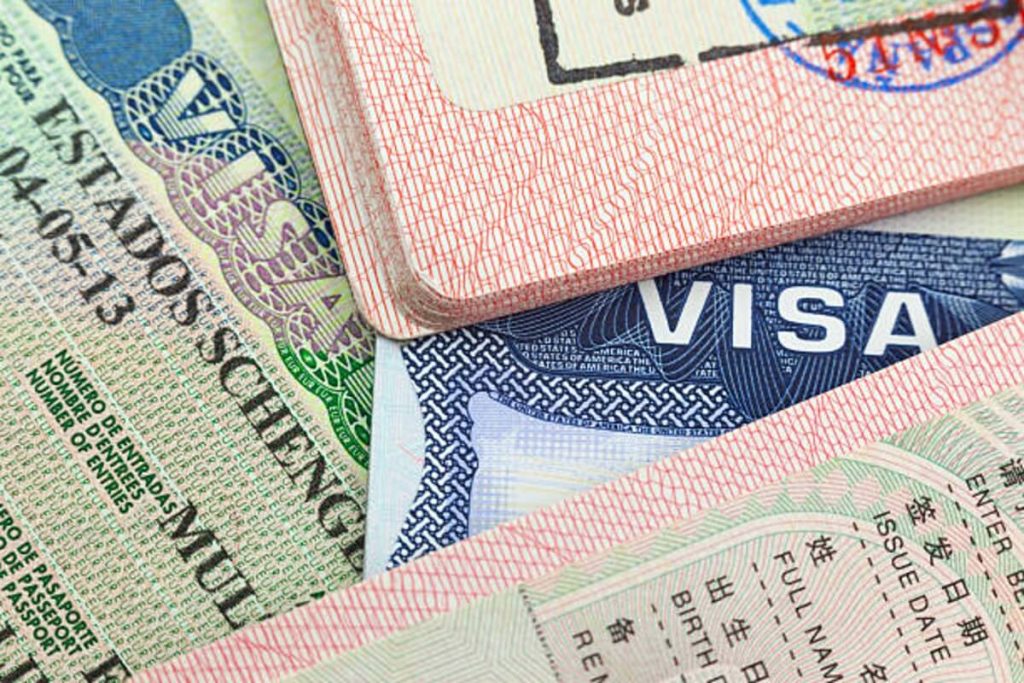

Obtaining a work visa is one of the biggest concerns for immigrants seeking employment abroad. The majority of applicants focus solely on visa application fees, overlooking other essential expenses like medical exams, biometrics, skills assessments, language tests, relocation costs, and dependent fees. Due to this, they often have to deal with financial surprises that cause their plans to be postponed or even canceled.
Visa fees vary by country, profession, visa type, employer sponsorship, and whether family members need to be included in the application. The cost of work visas varies significantly between countries, with some offering relatively affordable visas and others charging significantly more.
We provide a comprehensive overview of the costs associated with work visas in top immigration countries such as Canada, the United Kingdom, Germany, the Netherlands, Australia, New Zealand, Singapore, the United States, Ireland, and the United Arab Emirates (UAE). To help you plan your migration effectively, you will also discover hidden expenses, cost-saving suggestions, and budgeting tips.
No matter what your professional skills are, whether you’re in the healthcare industry, engineering, or trades, this article will provide you with a clear financial roadmap.
Why Understanding Work Visa Costs Matters
Knowing visa costs is the first step in avoiding financial stress. Due to underestimation of expenses, many applicants make rash decisions or submit incomplete applications.
Furthermore, some employers cover visa costs in part or in full, while others require you to pay everything yourself. As a result, understanding typical expenses is important for negotiating with your employer and preparing for the interview.
In addition, good financial planning increases your success chances since immigration officers often determine whether you will be able to support yourself in your destination country when you arrive.
Breakdown of Typical Work Visa Expenses
Work visa applications are usually associated with a variety of expenses, so it is important to understand the common costs involved before reviewing country-specific costs.
1. Visa Application Fee
In order to apply for a work visa, you have to pay this government fee. Each country and visa type has its own requirements.
2. Employer Sponsorship or Nomination Fees
Sponsoring foreign workers can cost employers money in many countries. It is possible for them to pass on these costs to you in some cases.
3. Biometrics Fee
There are some countries that require fingerprints and photographs, which can be expensive.
4. Medical Examination
Most countries mandate medical tests to ensure you do not pose a public health risk.
5. Police Clearance Certificate
A criminal history check from a country in which you have lived for at least 12 months is required.
6. English Language Test
The fees associated with IELTS, PTE, and TOEFL testing are separately charged in many countries.
7. Skills Assessment or Credential Recognition
Qualifications must be formalized in some professions.
8. Dependent Fees
If you bring your spouse or children, you must pay additional visa fees for each person.
9. Relocation and Settlement Costs
These include flight tickets, accommodation, transport, and initial living expenses.
We’ll examine the costs in each top immigration country now that you understand these categories.
1. Canada Work Visa Costs
Foreign workers remain attracted to Canada because of its clear paths to permanent residence.
Work Permit Application Fees
- Primary applicant: CAD 155
- Open work permit holder fee: CAD 100 (if applicable)
- Biometrics: CAD 85
- Medical exam: CAD 150–300
- Police certificate: Varies by country (typically CAD 30–100)
Employer-Specific Costs (LMIA)
In the event that your employer requires a Labour Market Impact Assessment (LMIA), they must pay for:
- LMIA fee: CAD 1,000
Some employers pass this cost to workers, though this is often discouraged by law.
Dependent Costs
- Spouse open work permit: CAD 255
- Dependent child: CAD 155
Total Estimated Cost
If you apply alone: CAD 300–600
With spouse and two children: CAD 700–1,200+
2. United Kingdom (UK) Skilled Worker Visa Costs
Visas in the UK are structured, but relatively expensive.
Visa Application Fees
- Up to 3 years: £719
- More than 3 years: £1,423
- Shortage occupation roles: £551–£1,084
Immigration Health Surcharge (IHS)
There are costs associated with accessing the National Health Service (NHS):
- £624 per year of visa validity
For a 5-year visa, this equals £3,120
Additional Costs
- TB test (for Nigerians and many Africans): £50–100
- Biometrics: Often included
- English test: £150–200
Total Estimated Cost
An IHS-certified skilled worker visa costs between £4,000 and £6,000 (for a 5-year visa)
3. Germany EU Blue Card & Skilled Worker Visa Costs
Comparatively, German work visas are relatively affordable.
Visa Fees
- EU Blue Card: €75–100
- Skilled Worker Visa: €75–100
Additional Costs
- Credential recognition: €100–600
- Medical insurance: €80–200 per month
- Police certificate: Varies by country
Total Estimated Cost
Typically €200–1,000+, depending on credential recognition and insurance.
4. Netherlands Highly Skilled Migrant Visa Costs
There is an efficient but moderately priced system in the Netherlands.
Visa Fees
- Primary applicant: €320–350
- Dependent family members: €320 each
Additional Costs
- Health insurance: €100–150 per month
- Residence permit card: Often included
Total Estimated Cost
Single applicant: €350–600+
With family: €1,000+
5. Australia Employer-Sponsored Visa Costs
The employer-sponsored visas offered in Australia have higher fees than those offered in other countries.
Temporary Skill Shortage (Subclass 482)
- Primary applicant: AUD 1,455
- Additional adult applicant: AUD 1,455
- Child applicant: AUD 365
Employer Nomination Scheme (Subclass 186) – Permanent
- Primary applicant: AUD 4,240
- Additional adult: AUD 4,240
- Child: AUD 1,060
Other Costs
- Skills assessment: AUD 300–1,000
- English test: AUD 300–400
- Medical exam: AUD 200–500
Total Estimated Cost
Single applicant: AUD 1,500–5,000+
With family: AUD 6,000–12,000+
6. New Zealand Work Visa Costs
New Zealand offers moderate visa fees.
Accredited Employer Work Visa (AEWV)
- Primary applicant: NZD 540–1,000
- Additional family members: NZD 540 each
Other Costs
- Medical exam: NZD 200–500
- Police certificate: Varies by country
- English test (if required): NZD 350–400
Total Estimated Cost
Single applicant: NZD 800–1,500+
With family: NZD 2,000–4,000+
7. Singapore Employment Pass (EP) Costs
There is no doubt that Singapore has one of the most efficient immigration systems in Asia.
Visa Fees
- Application fee: SGD 105
- Issuance fee: SGD 225
Other Costs
- Medical exam: SGD 100–200
- Dependent passes: SGD 105 each
Total Estimated Cost
Single applicant: SGD 300–500+
8. United States (H-1B & Other Work Visas)
There are significant costs associated with the U.S. system for employers and applicants.
H-1B Visa Costs
- Filing fee: USD 460
- Fraud prevention fee: USD 500
- ACWIA fee (employer): USD 750–1,500
- Public Law 114-113 fee (certain employers): USD 4,000
- Premium processing (optional): USD 2,500
Additional Costs
- Attorney fees: USD 2,000–5,000
- Medical exam (if applicable): USD 200–400
Total Estimated Cost
For employers: USD 3,000–8,000+
For applicants: Often minimal, unless using legal assistance.
9. Ireland Critical Skills Employment Permit Costs
The cost of living in Ireland is relatively affordable for skilled professionals.
Permit Fees
- 2-year permit: €1,000
- 1-year permit: €500
Other Costs
- Medical insurance: €80–150 per month
- Police clearance: Varies
Total Estimated Cost
Single applicant: €600–1,500+
10. United Arab Emirates (UAE) Work Visa Costs
There are fast processing times in the UAE, but the costs vary depending on the employer’s policies.
Typical Work Visa Costs
- Work permit: AED 1,500–3,000
- Residency visa: AED 1,000–2,000
- Medical test: AED 300–500
- Emirates ID: AED 100–300
Employer Contribution
There are some employers that require employees to reimburse visa costs, but most employers cover most of them.
Total Estimated Cost
If paid by employee: AED 3,000–6,000+
Hidden and Additional Costs You Must Budget For
Beyond official visa fees, you must plan for:
1. Flight Tickets
- One-way or return flights: $500–1,500+
2. Accommodation
- Initial rent deposit: Often 1–3 months’ rent
3. Cost of Living
- Food, transport, and utilities for at least 2–3 months
4. Document Translation
- Certified translations: $50–300 per document
5. Relocation Assistance
- Optional relocation services: $1,000–5,000+
How to Reduce Work Visa Costs
You can lower your expenses through these strategies:
1. Negotiate with Your Employer
Ask your employer to cover:
- Visa fees
- Medical exams
- Relocation costs
Many large companies offer relocation packages.
2. Apply Through Fast-Track or Sponsored Routes
Reductions in fees or faster processing are offered by some programs.
3. Prepare Documents Properly
Avoid reapplications, which double your costs.
4. Use Official Government Portals
It is best to avoid unnecessary agent fees unless they are absolutely necessary.
Which Country Offers the Cheapest Work Visa?
If affordability matters most, consider:
- Germany
- Singapore
- Ireland
- Canada (in some cases)
The UAE’s Global Talent Stream or Canada’s Global Talent Stream may appeal to you if speed is more important to you than cost.
Final Thoughts
There is a significant difference in cost between countries when it comes to work visas. Some nations, like Germany and Singapore, offer relatively inexpensive routes, but others, like the U.K., Australia, and the U.S., are more expensive.
Nevertheless, cost alone shouldn’t be the deciding factor. Besides salary potential, you should also take into account quality of life, future career opportunities, and immigration prospects in the long run.
Moving abroad with confidence can be accomplished if you budget properly and negotiate smartly with employers.
FAQs
Which country has the lowest work visa fees?
Fees in Germany and Singapore are generally among the lowest.
Can employers pay my visa costs?
There are many employers who cover part or all of the expenses.
Are visa fees refundable if rejected?
No, in most cases.
Should I use an immigration agent?
Only if your case is complex; otherwise, apply directly.